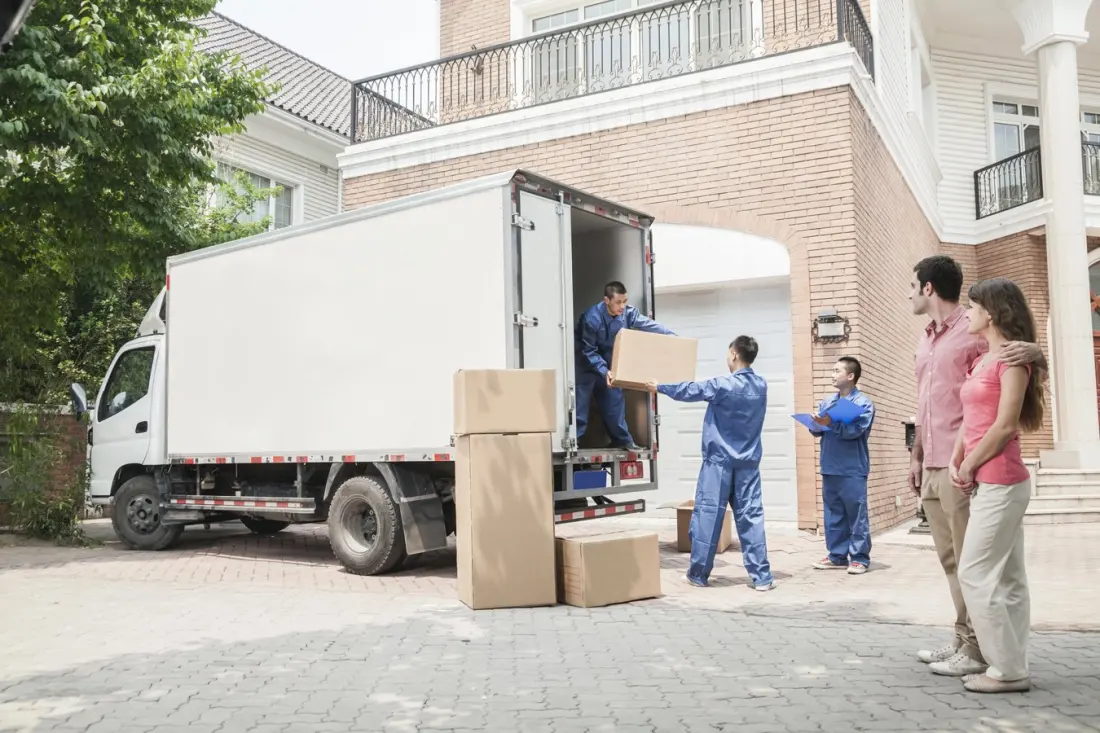
Relocating from Canada to the United States involves two separate processes that people often blur together: your own admission into the country and the entry of your household goods. Sorting out both before a mover arrives can save serious money and stress, according to guidance summarised by Cyprus Mail Travel.
The first checkpoint is immigration status. Canadian citizenship on its own doesn't grant the right to work or live permanently in the US. Some Canadians can request TN professional status directly at a port of entry, but Canadian permanent residence doesn't qualify on its own. The practical advice: keep passports and immigration documents for every family member with you — not in the moving truck — and don't lock in a non-refundable pickup date until any uncertainty about admission or work authorisation is resolved.
Then there's customs. Furniture and household furnishings that have been used abroad for at least a year generally enter duty-free, but that rule doesn't cover everything in the truck. A newly bought dining table travelling next to your old sofa needs separate treatment, so flag recent purchases and keep receipts. If your belongings travel without you — common when you fly ahead while the furniture goes by road — you'll need CBP Form 3299, the declaration for unaccompanied articles. Its instructions distinguish your arrival details from the shipment's, so get them right rather than guessing dates, and never sign an incomplete form.
A detailed inventory matters more than most people expect. Describing a shipment simply as "household effects" isn't enough; number each box and list what's inside — "Box 12: six used ceramic plates, mugs, stainless cutlery" — with separate entries for furniture and serial numbers plus photos for valuable electronics. Keep both digital and printed copies, and check items off at delivery.
Food, plants and vehicles each come with their own rulebooks. Agricultural products must be declared under USDA guidance, and a supermarket receipt from Canada doesn't prove produce was grown there. Live plants may need a Canadian phytosanitary certificate and specific growing media — sometimes it's genuinely easier to give the monstera to a friend. Outdoor gear and boots should be cleaned of soil, which can get articles refused or destroyed at entry. Cars need their own import assessment against EPA emissions and DOT safety standards, and firearms, ammunition, alcohol and tobacco must be flagged separately before you accept a moving quote.
Finally, get costs in writing: transport, packing, customs assistance and storage as separate line items, plus who pays if an inspection delays release, how damage claims work, and whether delivery is a fixed date or a window. Carry essentials for the first few days yourself, and after arrival check your USCIS registration obligations — an I-94 generally covers it, but some land-border entrants staying 30 days or longer must register, and address changes must be reported within 10 days.
Why it matters: this is essential reading for snowbirds becoming full-timers, remote workers heading south, or anyone relocating for a US job offer. The throughline is simple — confirm your status, document everything, and ask questions before the truck is loaded, not after it's held at the border.
Cyprus Mail Travel