The World Nomad Games are coming home. The sixth edition of this extraordinary festival of nomadic sport and culture runs from August 31 to September 6, 2026, in Kyrgyzstan — the country where the Games were first held in 2014 before stints in Turkey (2022) and Kazakhstan (2024).
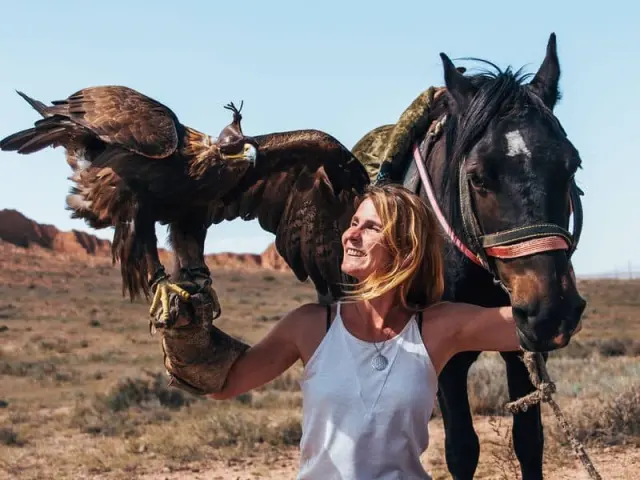
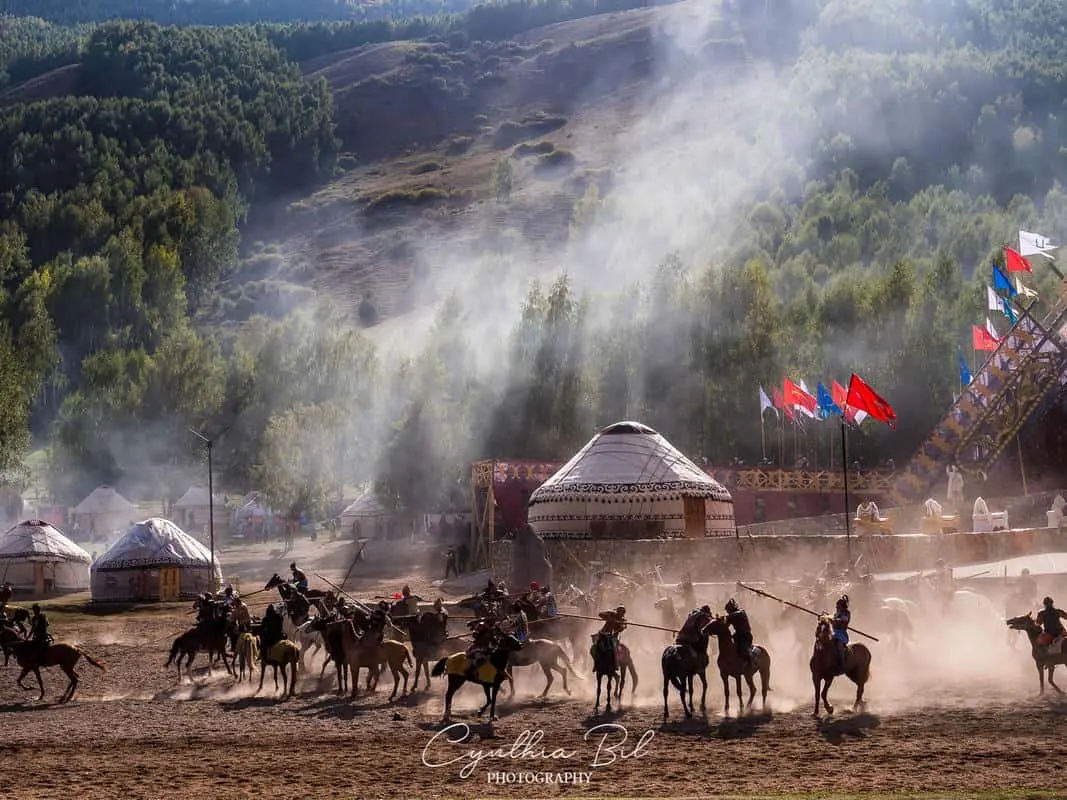
Think of it as a mix between the Olympics and a living museum. Athletes from nearly 90 countries — almost 2,500 competed in Kazakhstan in 2024 — take part in wrestling, archery, horse racing, eagle hunting and kok-boru, the frantic Central Asian team sport played on horseback with a goat carcass. Around the competitions, yurt villages host felt-making, epic poetry, traditional music, dance and bread baked in tandoor ovens. At the 2026 edition, you can expect to sip kumis (fermented mare's milk) and watch golden eagles dive on command.
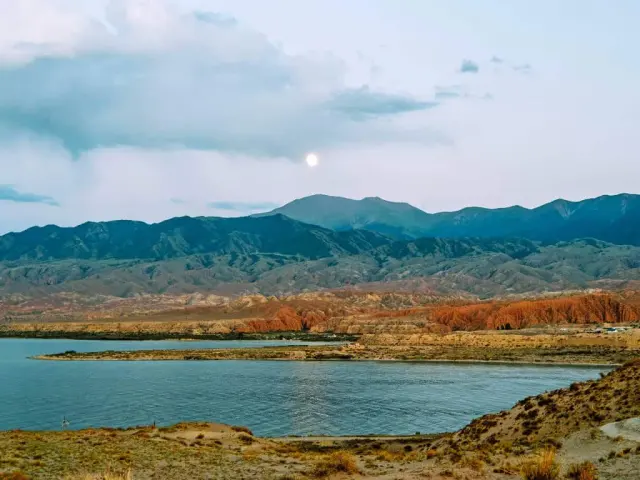
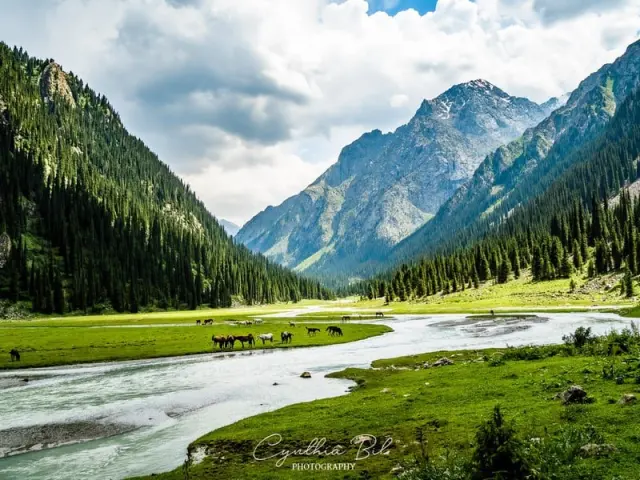
The opening ceremony lands in Bishkek on August 31, deliberately timed to coincide with Kyrgyzstan's Independence Day — expect a double celebration. From September 1 to 6, the action shifts to the northern shore of Issyk-Kul Lake, with Cholpon-Ata and the scenic Kyrchyn Gorge serving as the main venues, and the closing ceremony likely in Cholpon-Ata on September 6.
Good news on tickets: most events at Cholpon-Ata and Kyrchyn Gorge are free. The main exceptions are the opening ceremony and some fixtures like the kok-boru at the Cholpon-Ata hippodrome, which are ticketed online with QR codes tied to your passport details.
Getting there is easier than you might think. Kyrgyzstan has Central Asia's most open visa policy: citizens of most European countries, North America, Australia, Japan and the Gulf states can stay up to 60 days visa-free. Others can apply for an e-visa (US$61, allow a week — or apply a month ahead to be safe). Manas Airport in Bishkek is the main gateway, with Turkish Airlines, Pegasus and FlyDubai offering connections via Istanbul and Dubai. From Bishkek, marshrutkas (minibuses) run to Cholpon-Ata in three to four hours for roughly 250–400 KGS, or shared taxis cost $30–70 for the same trip. Plan on 7 to 10 days in the country to do the Games justice.
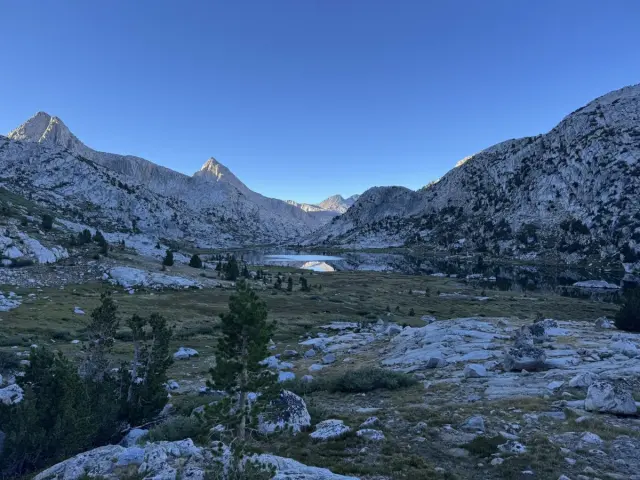
For locals, the Games are a matter of identity — nomadic skills that were once survival techniques, kept alive in the landscapes that shaped them. For travellers, it's a rare chance to experience that culture in the open air rather than behind glass, tucked between Kyrgyzstan's alpine lake shores and high summer pastures like Son Kul. The source author does raise a fair caveat: with growing crowds comes the risk of over-commercialisation and pressure on Issyk-Kul's fragile ecosystem, so 2026 feels like a year to see the Games while they still feel raw and real.