Some of the most compelling wildlife experiences you can book right now are run by people who used to hunt the very animals you've come to see. Condé Nast Traveler's Bright Ideas in Travel 2026 list spotlighted several of these projects, and they share a simple idea: pay people fairly to protect nature, and poaching starts to make less sense.
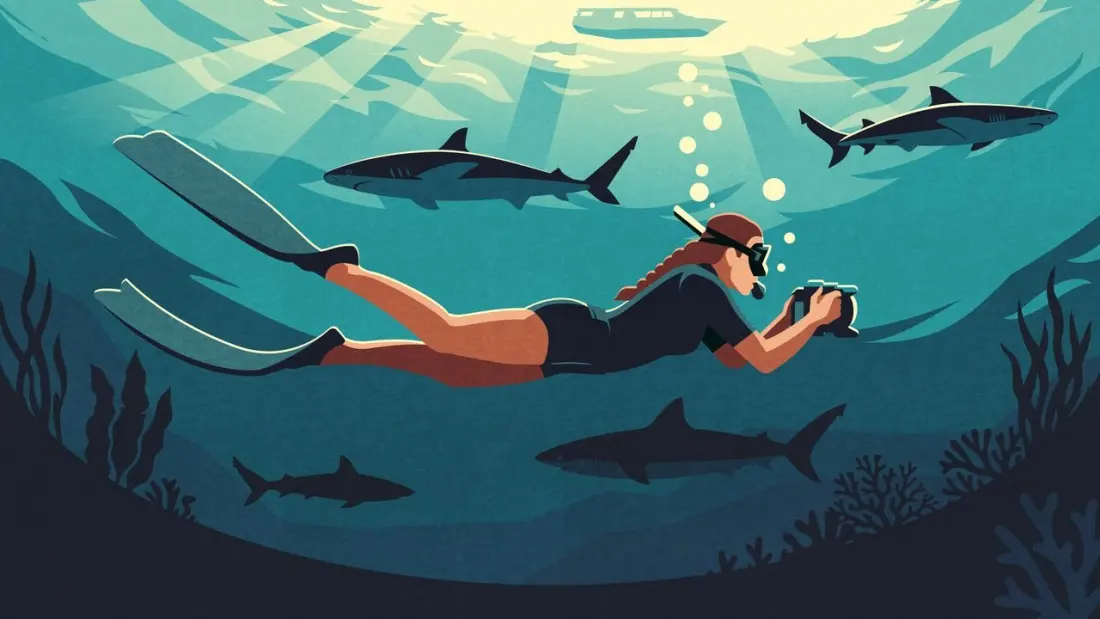
The standout is Project Hiu in Indonesia, founded in 2018 by Australian filmmaker Madison Stewart. While documenting the shark fishing trade, she learned that Indonesia catches more sharks than any other country — over 12% of the global supply — and that fishermen from villages like Tanjung Luar and Gili Maringkik in East Lombok often broke protections for species like whale sharks simply because they had no other income. Her nonprofit now employs around 80 former shark fishermen on 15 boats, taking travellers snorkelling with blacktip reef sharks and on sailing day trips instead. The crews also help tag sharks for research — including a world-first tagging of 10 tiger sharks in Indonesian waters. Two former fishermen have even gone to university on the project's watch.
Similar shifts are happening elsewhere. In the Philippines' Masungi Georeserve in Rizal province, ranger Ruben Gianan once logged the forest he now navigates and protects as part of The Long Run network. In Raja Ampat, Misool Resort sits on the site of a former shark-finning camp; its foundation runs ranger patrols staffed by locals who once worked with dynamite fishers, and shark numbers inside the reserve have doubled since 2012.
In Tanzania, guide Anderson Mgesi grew up eating bushmeat in the Iringa region before his family was evicted to create Ruaha National Park. After his grandfather was mauled by a leopard caught in a trap, he trained at Mkuyu Wildlife School and now guides at Usangu Expedition Camp with Asilia Africa, supporting his extended family on a steady wage. And at Shinta Mani Wild in Cambodia's Cardamom Mountains, former snare-setters are trained to intercept poachers targeting pangolins, Malayan sun bears, clouded leopards and pileated gibbons. Working with the Wildlife Alliance, patrols there have removed roughly 350,000 traps.
For travellers, this is more than a feel-good story. Booking with these operations means your money directly funds wages that replace hunting and logging incomes — the thing that actually changes behaviour. Ask any lodge or operator how many local staff they employ and where their conservation money goes; the good ones will have answers. Expect trips that are hands-on too: snorkelling with sharks in Lombok, guided game drives in Ruaha, or diving a protected reef in Raja Ampat where your guides once dynamited the coral. The people who know these animals and waters best, it turns out, are the ones who used to work them.