Day 49 of a long-distance trek through southern France reads like a masterclass in slow, heat-smart hiking — and it's a useful window into what summer walking here actually feels like.
The hiker, writing under the name Hexishtrek, woke to the relief of an unpunctured sleeping pad after a rough night camped on spine-sharp grass near a gorge. With an overnight bus from Montpellier to Barcelona Airport looming in a few days — a hop that will carry him off to Sumatra for the next leg of his trip — he'd planned a short day: walk only until lunchtime, then reposition.
The morning delivered one genuine highlight. After six weeks on trail during which he'd managed just three pieces of fruit (French supermarkets in summer, he observes, lean heavily on melon), he stumbled on a plum tree beside the path. He ate several on the spot, filled a ziploc bag for later, and turned the rest into a cold-soaked couscous breakfast. When wild camping, small wins like this apparently matter more than any viewpoint.
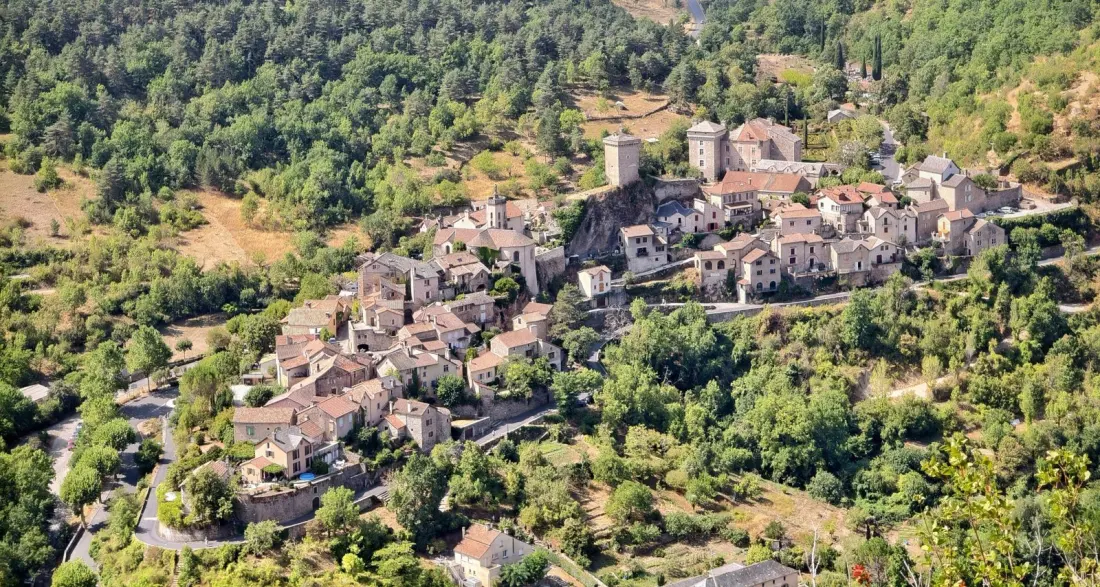
The route hugged the top of a gorge under rare cloud cover — a mercy after 48 days of punishing sun — before the clouds burned off and temperatures hit the low 30s by mid-morning. Descending toward a fortified river town, he passed a stream of day hikers on what he judges to be one of the most mismarketed walks imaginable: hungover holidaymakers, freshly sunburnt from a day on the river, sent up a steep, shadeless gorge climb at 10am in 32°C heat for "the views." The views, for the record, are spectacular. The walkers were not enjoying them.
His response to the heat is the real takeaway for anyone planning summer walking in the south of France: don't fight it. He hiked through the morning, rolled into the village, charged his phone at the tourism office, swam in the river, then sat out the entire afternoon under a tree before hiking again at 6pm — covering the cooler evening hours until finding a small flat patch near the trail to pitch his tent. Even finding that spot was a challenge, as the trail pushes into farmland and increasingly populated country where discreet bivouac options are thinning out.
Why does this matter if you're not about to walk for 49 days? Because it captures the rhythm of summer hiking in this part of France perfectly: start early, stop midday, find a river, resume in the evening. It also showcases the region's appeal beyond the famous trails — gorge-top paths, fortified villages with public taps to refill your bottle, tourism offices happy to let you charge a phone, and the odd free roadside fruit. The story also flags a practical reality for travellers heading to the region: rural bus links (like the Montpellier–Barcelona overnight service) are a cheap, workable way to stitch a walking trip together with a flight home. It's a day-by-day look at the unglamorous, genuinely enjoyable middle of a long trek — worth a read before you lace up.