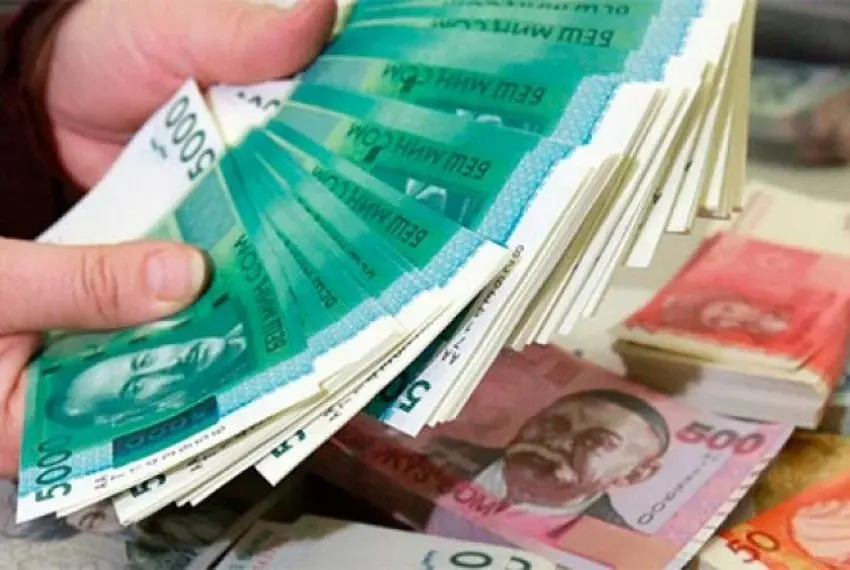
Kyrgyz households and businesses are holding more physical money than ever. According to the National Bank of the Kyrgyz Republic, cash in circulation hit 324 billion soms at the end of the third quarter of 2026 — and the bulk of it, 293.1 billion soms, is tucked away outside the banking system entirely. Only about 30.9 billion soms sits in commercial banks' cash offices.
The trend is unmistakable. Total cash in circulation grew 11.2 percent year on year, a jump of 29.6 billion soms, and climbed from 317 billion soms at the end of the second quarter to 324 billion by October 1.
The quarterly flow figures show when the money moves. July was the busiest month by far: banks took in 688.2 billion soms in cash receipts and paid out 701.3 billion — a sharp contrast with July 2025, when receipts were just 481.1 billion soms. Activity cooled in August, with receipts dipping to 579.4 billion soms, before picking up again in September at 603.6 billion soms in receipts against 600.7 billion in disbursements.
Across the whole third quarter, commercial banks received 1.87 trillion soms in cash, up 25.9 percent from a year earlier, while disbursements reached 1.88 trillion soms, a 25.2 percent annual rise. One efficiency metric did improve: the cash return rate to banks — the share of issued cash that flows back — reached 99.4 percent, up 0.6 percentage points.
The National Bank attributes the growth to strong business activity, and the summer spike likely reflects seasonal trade, construction and market commerce that runs on banknotes rather than cards.
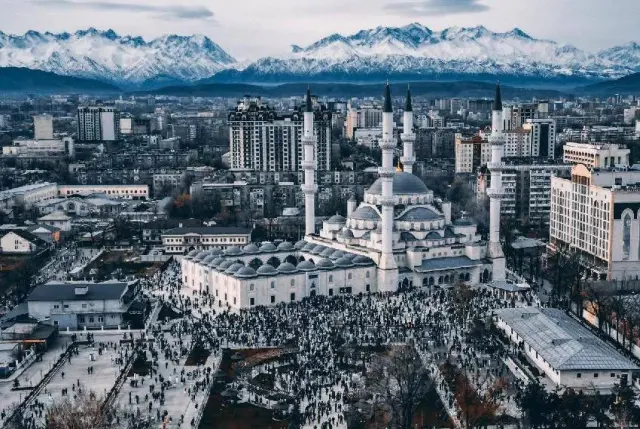
For visitors to Kyrgyzstan, the numbers are a useful reminder of how the country actually operates on the ground. This remains a heavily cash-based economy: outside Bishkek's larger shops, hotels and restaurants, card acceptance is patchy and mobile payments are still catching on. Travellers heading to markets like Osh Bazaar, trekking bases around Issyk-Kul or guesthouses in small mountain towns should plan to carry soms in cash, especially in summer when — as the central bank's own figures show — physical money is changing hands at its fastest rate.
For now, the som keeps circulating at a record pace, even if a huge share of it never passes through a bank counter.