Kyrgyzstan is about to get its first real look at itself from space. The country's Agriculture Minister, Erlist Akunbekov, told reporters at the AgroTechExpo 2026 trade fair that the first images from the newly launched Kyrgyz satellite will arrive at the ministry by the end of October, after which processing begins.
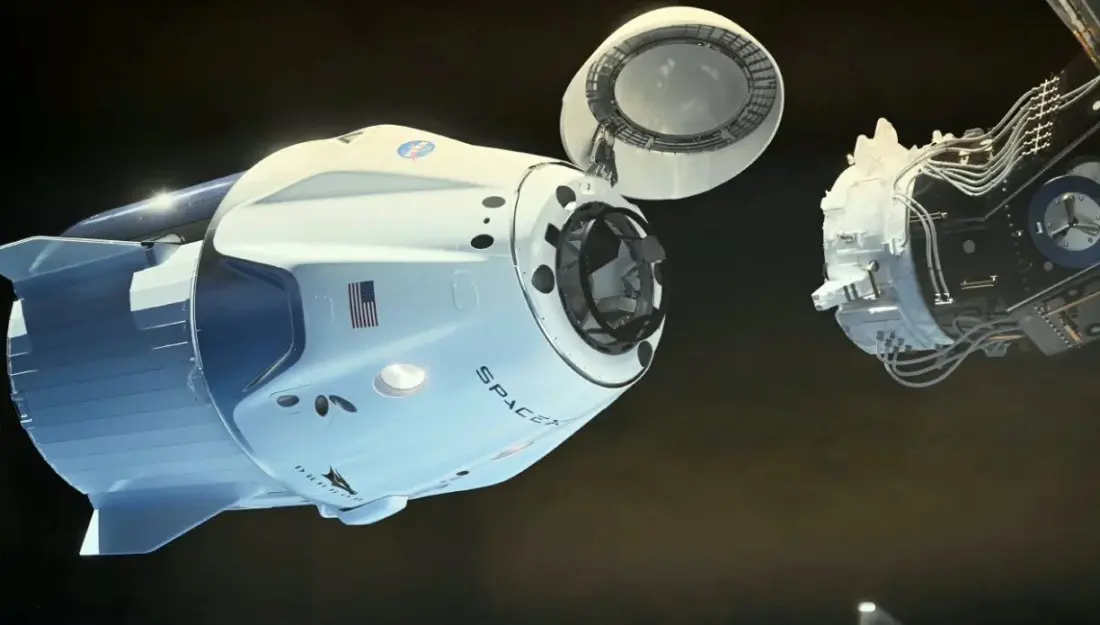
The satellite rode into orbit on October 2 as one of several spacecraft on a single rocket, and the mission came together through cooperation between Kyrgyzstan and the United Arab Emirates. Once it's up and running, the whole operation will be run from a control centre in Bishkek — a notable milestone for a country that has never operated its own orbital hardware before.
What happens to all that imagery? It flows to farmers. The ministry plans to make processed images available to the agricultural sector, and the data will plug into iDiykan, a mobile app the ministry has been testing for the past two months. The app lets users register and queue for services, with banks taking applications through the same platform. Officials are still fine-tuning it before full rollout.
The interesting part is how connected the system is designed to be. iDiykan syncs with the national land cadastre and the animal tracking system, and once the satellite link is live, individual farmers will be able to monitor changes in both crop production and livestock. For a country where herding and smallholder farming support a large share of the rural population, that's a meaningful shift — pasture degradation, crop health and herd movements could all become visible in near real time rather than through slow manual reporting.
For travellers, this doesn't change a itinerary overnight, but it's a window into where Kyrgyzstan is heading. The country remains one of Central Asia's most rewarding and least crowded destinations: alpine lakes like Issyk-Kul, horse-trekking through the Tian Shan, and yurt stays in the Suu-Samyr valley draw a growing stream of independent travellers. A technologically ambitious Bishkek — now with its own space control centre — sits at the heart of it, and the same farmland and pasture this satellite will watch is much of what visitors ride and hike through. Anyone planning a trip in the next year or two is seeing the country just as it starts investing in this kind of homegrown infrastructure.
Story reported by Kyrgyzstan: 24.kg.