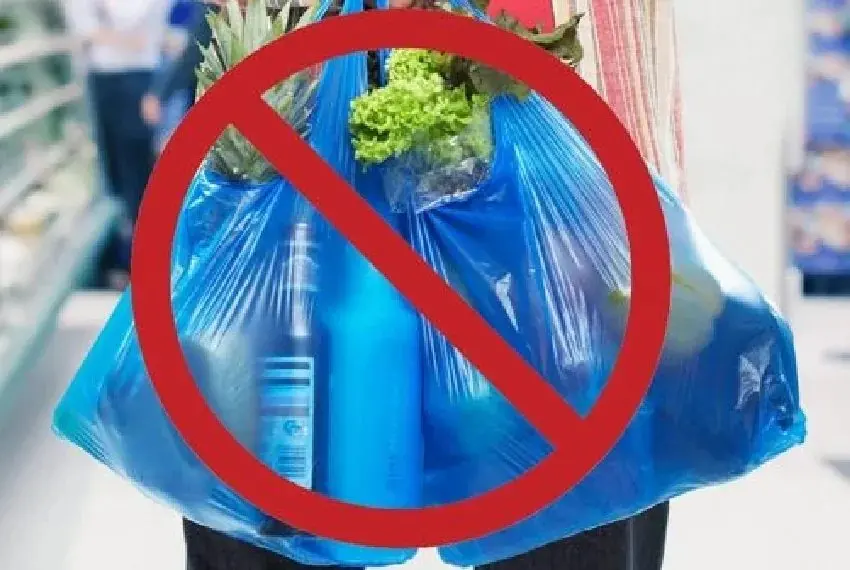
Kyrgyzstan is getting serious about plastic. At a roundtable hosted by the Ministry of Natural Resources, Ecology and Technical Supervision in Bishkek, officials sat down with manufacturers, recyclers and the International Business Council to prepare the ground for a nationwide plastic ban that kicks in on 1 January 2027. From that date, the production, sale and free distribution of certain plastic bags and polymer-film products will be illegal.
The ministry has already approved a list of polymer bags and plastic items that will still be allowed to circulate, so the ban is targeted rather than total. Much of the meeting focused on the practical switch: can local factories retool to produce biodegradable packaging and paper bags, which bio-additives work best, and how to make thinner materials sturdy enough for reuse — one idea being simply thicker material so bags survive more than one trip.
There's a compliance layer too. Bags will need mandatory certification backed by laboratory tests proving they genuinely contain biological components, plus labels and manufacturer details meeting the Customs Union's packaging safety rules. Officials also flagged tighter monitoring of plastic imports as restrictions phase in, and a crackdown on fake "Bio" labelling — products claiming to be eco-friendly without the science to back it up.
The ministry says it will keep consulting businesses, retailers, market complexes and consumers as the deadline approaches.
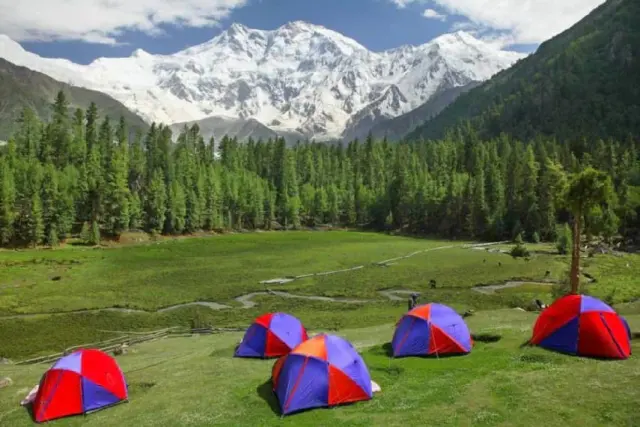
For visitors, the changes are still a couple of years out, but they fit a broader push across Central Asia to tackle plastic waste in a country better known for mountains and nomadic culture than environmental regulation. If you're travelling to Kyrgyzstan after the ban takes effect, expect shops and bazaars in Bishkek and beyond to hand out paper or certified biodegradable bags — or, more likely, expect to bring your own. Anyone trekking or camping should already be packing reusable bags and containers; the country's alpine lakes and valleys are its main draw, and litter is a growing concern there.
Worth watching: how enforcement plays out at the bustling Osh Bazaar and other markets, where thin free plastic bags have long been the norm. The transition could be messy at first, but it should make single-use plastic noticeably harder to come by for locals and tourists alike. Details of exactly which products are banned remain tied to the approved permitted list, so check the latest guidance closer to your trip if you're heading there in 2027 or later.