
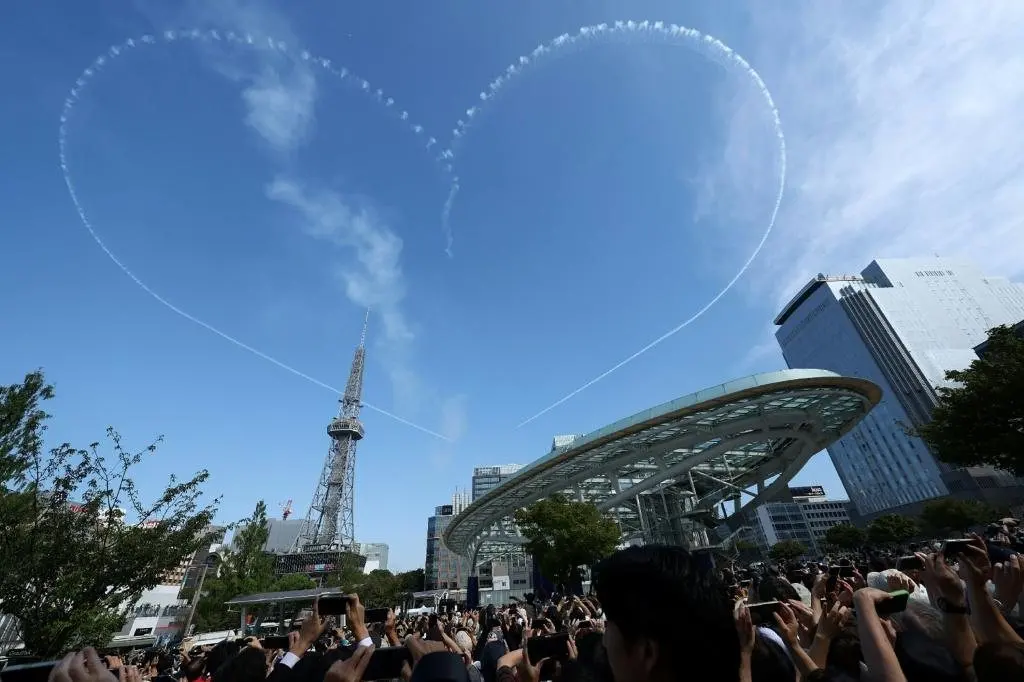
Nagoya and the surrounding Aichi Prefecture are hosting the 20th Asian Games, a multi-sport event so large it actually outnumbers the Olympics — around 17,000 athletes and officials from across the continent. The opening ceremony takes place this weekend, with 469 gold medals across more than 40 sports up for grabs until the closing date of October 4. Seven sports double as qualifiers for the 2028 Los Angeles Olympics, so the standard of competition is genuinely world-class.
The build-up has been chaotic, to put it kindly. There is no athletes' village — competitors are sleeping in temporary container huts, hotels and the cruise ship Costa Serena to keep costs down. Some beds are reportedly too short for their occupants, a record downpour flooded parts of Nagoya last week, a tropical storm is bearing down on eastern Japan, and North Korea's anthem was mistakenly played for South Korea's hockey team. India even swapped flag-bearers hours before the ceremony when shot-putter Tajinderpal Singh Toor's ceremonial kit went missing with his luggage. Organisers are still promising "the most spectacular Games for generations".
For visitors, the sporting menu is unusually varied. Alongside athletics and swimming, look out for Asian specialities like sepak takraw and kabaddi, plus debuts for padel and MMA. There's eSports, breakdancing and BMX to pull in younger crowds, and cricket returns with an India-Pakistan final a real possibility at Nagoya's new purpose-built ground. Star-spotting potential is high: 13-year-old Chinese swimmer Yu Zidi swims the 200m butterfly heats on Sunday, 15-year-old Indian cricket prodigy Vaibhav Sooryavanshi bats for India, Philippine tennis star Alexandra Eala plays, and Japanese Olympic champions Shinnosuke Oka (gymnastics) and Haruka Kitaguchi (javelin) lead the hosts. China, with over 800 athletes including 36 Olympic champions, is heavily favoured to repeat its 201-gold haul from Hangzhou 2023.
Why should a traveller care? Because the Asian Games transform a host city into a festival — expect free fan zones, street food stalls, cultural showcases and an electric atmosphere that has nothing to do with the medal count. Nagoya is often skipped in favour of Tokyo, Kyoto and Osaka, but during the Games it becomes the centre of Asian sport, and hotels and transport are geared up for visitors. If you're within a shinkansen ride of Aichi this month, dropping in for a day of kabaddi or padel could be one of the more memorable travel experiences of the year — just pack for unsettled weather.