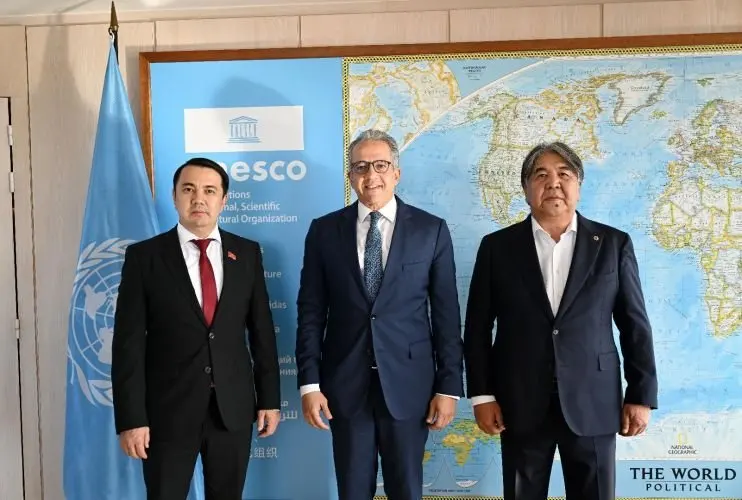
Kyrgyzstan could be about to learn a lot more about its own deep past. At a meeting in Paris between parliamentary speaker Marlen Mamataliev and UNESCO Director-General Khaled El-Enany, the UN cultural body confirmed it is prepared to send scientists and archaeological specialists to the Central Asian country to study the remains of ancient settlements — including sites that lie hidden underground and even underwater.
The talks, which included MPs Talant Mamytov and Kamila Talieva along with ambassador and permanent UNESCO delegate Sadyk Sher-Niyaz, covered how the two sides might jointly excavate and protect these sites as historical heritage. Mamataliev underlined that Kyrgyzstan wants to broaden its cooperation with UNESCO across historical, cultural and natural heritage, and used the meeting to pitch the country's tourism potential alongside its environmental work on mountain ecosystems and climate change.
UNESCO's commitments go beyond archaeology. The organisation also pledged support for the Second Global Mountain Summit, known as Bishkek+25, which the capital will host next year. Both sides flagged interest in a joint Creative City project — the UNESCO network that spotlights cities with strong creative industries — and discussed developing geoparks, a designation that tends to put lesser-known regions firmly on travellers' maps.
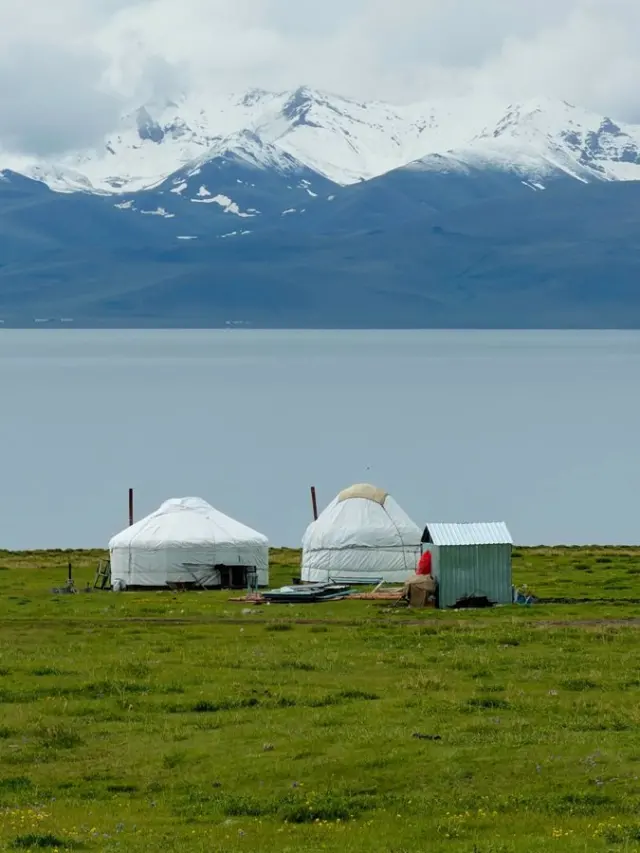
For visitors, the significance is straightforward. Kyrgyzstan already draws hikers and horse trekkers for its mountains, lakes and yurt-stay culture, but its Silk Road-era settlements and petroglyph sites remain far less visited than comparable sites in Uzbekistan. International archaeological attention and new UNESCO-linked designations usually mean better access, signage and conservation funding — and, in a few years, genuinely new things to see. Underwater sites hint at lake surveys, possibly around Issyk-Kul, the country's enormous alpine lake that is itself on UNESCO's tentative list.
In the shorter term, Bishkek+25 should bring international attention and likely an events programme to the capital, while geopark development typically opens up guided routes through dramatic geology in rural areas. If the Creative Cities bid lands, expect a push around traditional crafts — think shyrdak felt carpets and Kyrgyz applied arts that were already recognised on UNESCO's intangible heritage lists.
This is one for travellers who like to arrive before the crowd. Kyrgyzstan rewards the independent and the curious: visa-free or visa-on-arrival access for many nationalities, cheap guesthouses, and some of the most accessible high-mountain scenery anywhere. As heritage projects roll in, that window of raw, undiscovered feel will only get harder to find. — Adapted from 24.kg