Kyrgyzstan's mountains and wide valleys produce a surprising amount of food for a small country, but its farming sector leans heavily on imported seed. A new review from Russia's Agroexport agency lays out just how dependent the country has become.
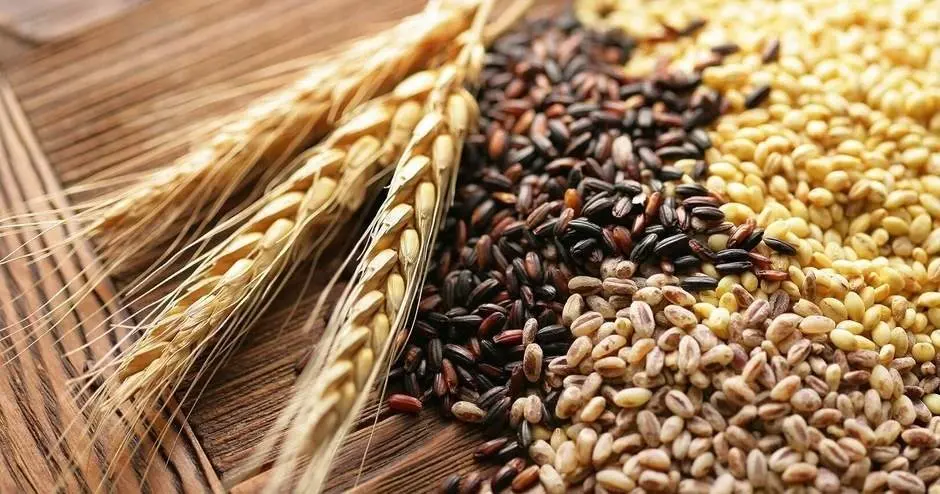
The headline figures: Kyrgyzstan's arable land covers roughly 1.3 million hectares, with grain — corn, wheat and barley — taking up the biggest slice, alongside potatoes, vegetables, and fruit and berry crops. Yet local seed-growers only supply about 18–20 percent of certified grain seed demand. Sugar beet is the extreme case: essentially every seed planted in the country is imported.
Russia is one of the top five suppliers, shipping in seeds of soft and durum wheat, corn, barley, sorghum and soybeans, and accounting for around 8 percent of Kyrgyzstan's seed imports. Overall, the country spent $12.2 million on seeds of major crops in 2025.
So what does this have to do with travel? Quite a bit, if you're heading off the beaten path. Kyrgyzstan is one of Central Asia's fastest-rising destinations — trekkers come for the Tian Shan peaks and alpine lakes like Song-Kul and Issyk-Kul, but many travellers pass through farming regions on the way: the wheat and barley fields of Chüy province in the north, the orchards around Osh in the south, and roadside stalls selling honey, dried apricots and kumis. Understanding that agriculture here is a mix of Soviet-era systems, small family plots and imported inputs gives context to what you see from a marshrutka window — and to what you're eating at a homestay dinner.
The country's rural economy also underpins its best travel experience: community-based tourism. Guesthouses and yurt camps run by farming families are the backbone of stays around Issyk-Kul, Naryn and the Fergana fringe, so the health of the agricultural sector has a direct bearing on the places travellers actually sleep and eat.
For food-focused visitors, the takeaway is that Kyrgyz cuisine is hearty and land-driven — beshbarmak with horse meat, manti dumplings, fresh naan from a tandyr oven — and the ingredients behind those dishes come from the very fields this report describes. If you're visiting a village homestay, ask where the produce came from; you'll often get a short tour of the plot as an answer.
Whether you're planning a summer trek or a Silk Road route through the south, it's worth knowing that Kyrgyzstan's farmland is both fragile and central to daily life here. Fields aren't scenery you pass through — they're someone's livelihood, and increasingly, someone's guesthouse.