Morocco keeps rewarding repeat visitors, and one travel writer who has returned for years has mapped out three distinct 7-10 day routes for 2026 that can be run solo or stitched together into a two- to three-week trip.
The first route covers the north: Tangier, blue-washed Chefchaouen, Fez, Meknes, Rabat, Casablanca and Marrakech over 7-10 days. It's the pick for first-timers drawn to photogenic medinas, Roman ruins at Volubilis and the waterfalls of Akchour. Getting in is easy too — the ferry from Tarifa in Spain takes under an hour, and the Al Boraq high-speed train now covers Casablanca to Tangier in just over two hours.
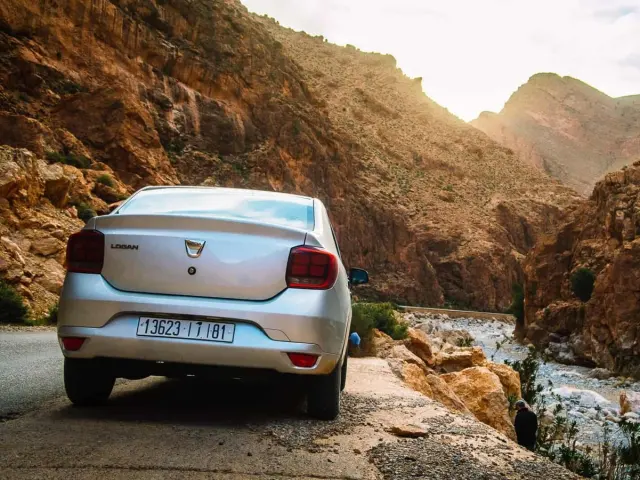
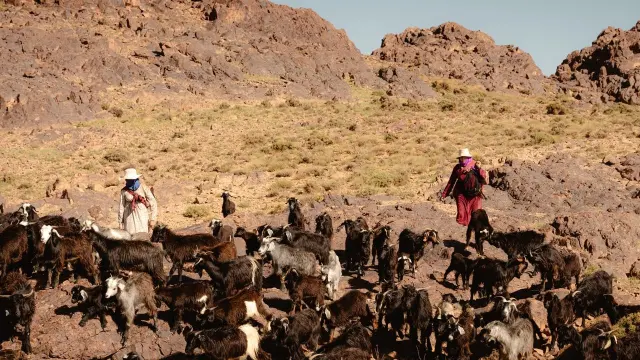
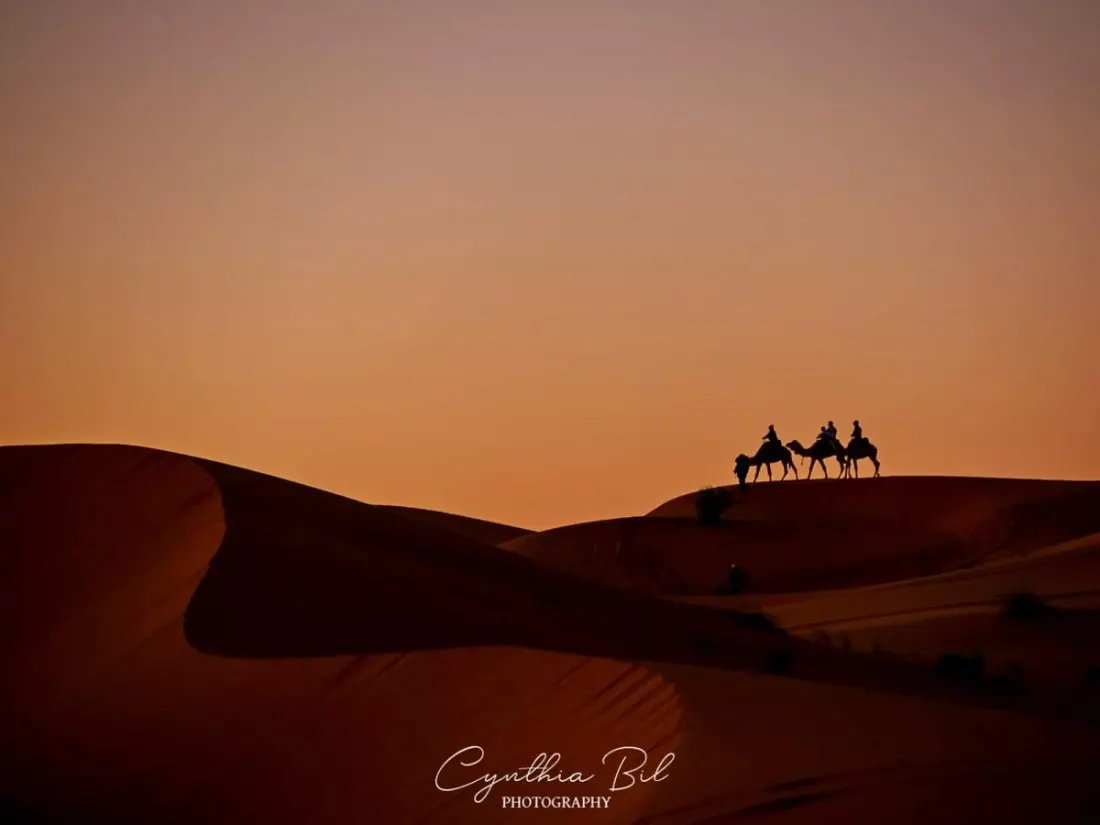
The second route heads south from Marrakech into the High Atlas and the Sahara: Aït Ben Haddou, the Draa Valley, the dunes at Merzouga, plus the Todra and Dades gorges. This is a proper road trip, and a rental car or hired driver makes far more sense than buses here. One rule worth knowing: treks around Imlil and Mount Toubkal legally require a licensed guide, and checkpoints enforce it.
The third option trades dunes for waves. A week along the Atlantic from Agadir through Tamraght, Taghazout, Imsouane and Sidi Kaouki to Essaouira is aimed at winter sun seekers and beginner-to-intermediate surfers who want mellow towns rather than packed cities.
Timing shapes all three trips. Spring (March-May) and autumn (September-November) offer the best all-round conditions, with wildflowers and clear skies. Winter is cold in the Atlas but ideal for surfing; summer heat pushes travellers inland toward the mountains or the breezy coast. Travelling during Ramadan is quieter and gives a different view of daily life, though small-town cafés keep shorter hours.
Practical notes: the dirham is cash-friendly, so keep notes for taxis and souks where haggling is expected. ONCF trains connect the major cities cheaply and comfortably, CTM and Supratours buses fill the gaps (book ahead in peak season — and pack motion sickness remedies for the winding roads), while grand taxis cost roughly 50-100 MAD for short regional hops. Morocco is considered one of the safest countries in North Africa, including for solo women; a polite "La, shukran" deflects unwanted attention. Dress modestly outside big cities and always ask before photographing people.
For anyone torn between cities, desert and coast, the real takeaway is that Morocco rewards combining routes: north first by train, then south by car, with a surf week to finish. First-timers with only a week should pick one route and save the rest.