Morocco's cities are easy to cover by train and taxi, but the country's best bits — Atlas Mountain passes, Berber villages, desert routes and quiet coastal roads — are far easier with your own set of wheels. A recent hands-on guide from Journal of Nomads breaks down exactly what renting a car there involves in 2026, from deposits to police checkpoints.
Start with the money. Budget cars run roughly €10-25 per day, mid-range vehicles €25-50, and SUVs or 4x4s from about €60. Fuel is noticeably cheaper than in Europe, which makes longer road trips easier on the wallet. One number that catches travellers out is the security deposit: the writer had €1,115 held on her credit card at pickup, so check your credit limit before you arrive. A credit card in your own name is essential — debit cards often won't cut it.
On paperwork, things are refreshingly simple. Your home driving licence is usually enough; an international driving permit isn't typically required, as long as your licence matches your passport. Bring your passport and keep your rental and insurance documents in the car, since police checkpoints are a routine part of driving in Morocco — tourists are usually waved through if you're polite and prepared.
Insurance is where the fine print matters. Basic coverage is usually included but often carries a high excess, meaning you could be on the hook for serious money if something happens. Full coverage is widely recommended given the unpredictable driving conditions, and booking through a comparison platform like DiscoverCars lets you see what's included upfront and add coverage at a reasonable price. Booking in advance generally beats turning up at the rental desk, and vetting smaller local companies through reviews is wise — unclear practices do occasionally surface.
Before driving off, photograph or film the car from every angle and make sure every existing dent and scratch is noted in the contract. Check whether cleaning fees are covered; if they're not in the contract, a later charge is questionable.
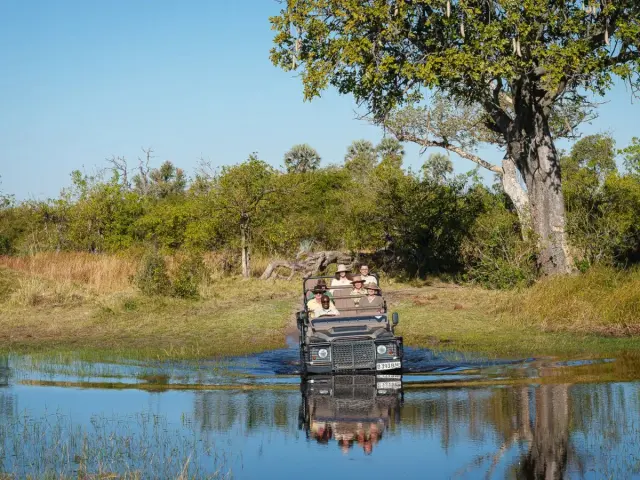
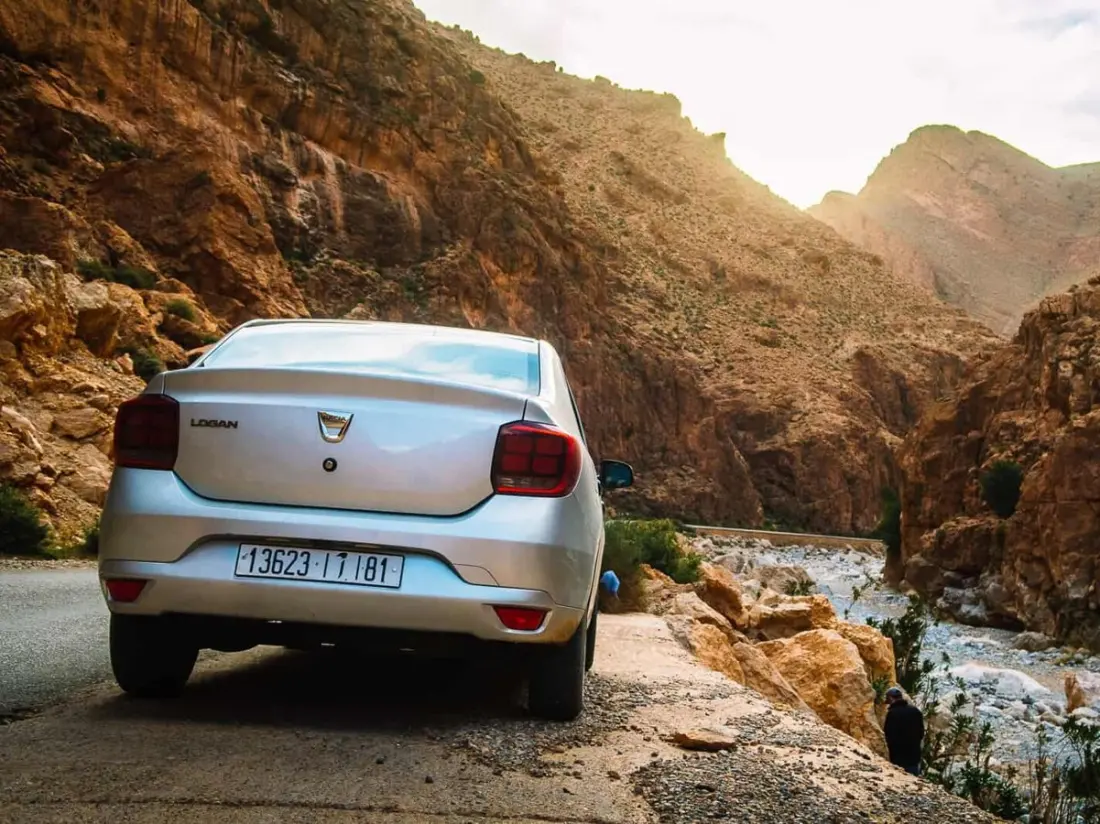
As for the vehicle itself, skip the 4x4 unless you're genuinely going off-road. Standard routes between cities, the Atlas and the desert via paved roads are fine in a regular car.
Then there's the driving itself. City traffic in places like Marrakech and Casablanca is busy and loose — cars, scooters, pedestrians and the occasional animal all sharing space, with lanes treated more as suggestions than rules. A two-lane road can quietly become four. Outside the cities, though, roads quiet down, main highways are in good condition, and driving becomes genuinely pleasant. Speed limits are 60 km/h in towns, 80-100 on secondary roads and 120 on highways, with frequent radar checks. One quirk worth knowing: roundabouts with traffic lights can require cars already on the roundabout to yield to traffic entering on green — the reverse of what most visitors expect.
The practical takeaway: rent if your trip stretches beyond the big four cities, especially with kids in tow, and lean on trains and taxis if it doesn't. Prices start low, but budget for the deposit and proper insurance, and drive defensively — alert and patient beats technically correct.