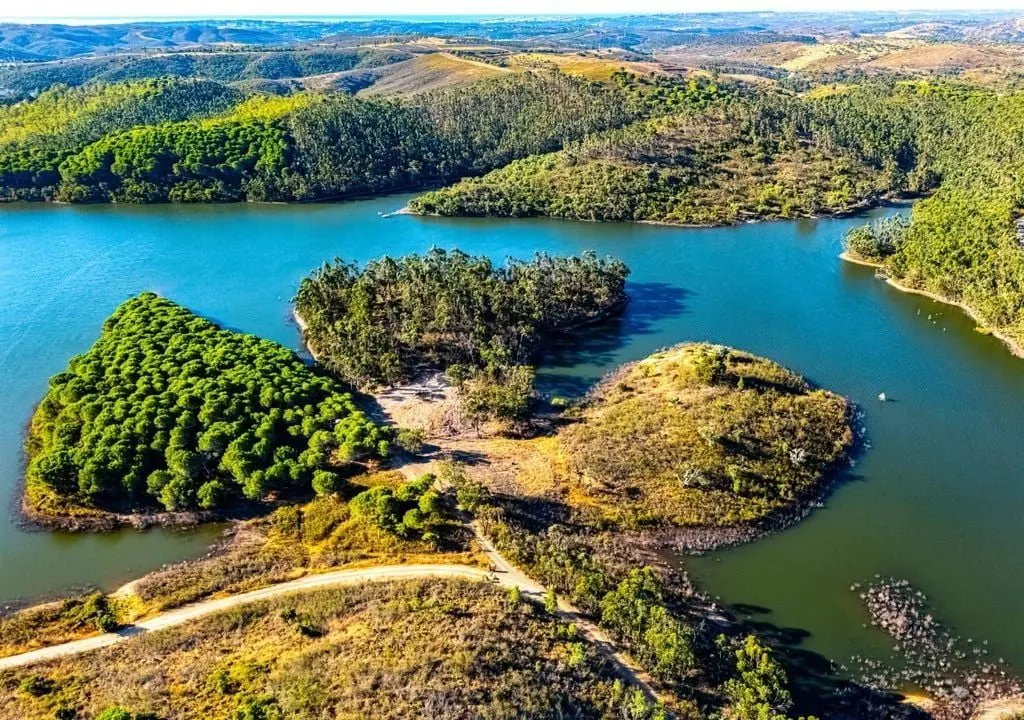
Portugal's national water reserves are sitting at 75%, a modest improvement on the 72% recorded at the same point last year. But the headline number hides an unusual shift that matters if you're heading to the country this year: for once, it's the north and centre that are running short, not the usually parched south.
Environment and energy minister Maria da Graça Carvalho flagged the reversal while visiting Soure, a town on the Mondego river. Three river basins are in worse shape than last year — the Lima, the Vouga and the Mondego — all of them in or near the northern and central interior. Meanwhile the Algarve, which by this point in winter is normally already grappling with meteorological drought, is doing noticeably better than it was twelve months ago. The Alentejo coast, the Tejo basin and the Guadiana are also ahead of last year's levels.
The improvement comes despite months without significant rain, so the minister's message was cautious rather than celebratory. She called for extensive water monitoring, pointing out that water underpins everything from farming to electricity generation — hydro output drops when reservoirs do, which feeds into energy prices.
Her broader framing was blunt: she described the current international instability as the sixth crisis Portugal's government has faced in two years and warned that more are coming, with prices likely to get worse before they get better. For travellers, that translates into a simple expectation — costs in Portugal, from restaurant bills to car hire, may keep creeping up through the year.
Why should holidaymakers care? If your plans involve the Algarve's beaches or golf courses, the news is genuinely reassuring: the south's reservoirs are healthier than they've been recently, which eases worries about the kind of restrictions that have pinched the region in past dry spells. If you're hiking the Peneda-Gerês national park, kayaking central Portugal's rivers or touring the Douro and its tributaries, expect drier-looking landscapes and possibly local water-saving measures in villages and rural accommodation. River levels on the Mondego and Vouga may be visibly low, and that can affect anything from riverside scenery to water-based activities.
There's also a responsible-travel angle. In the regions flagged as struggling — the north and centre — simple things help: shorter showers in rural guesthouses, reusing towels, and skipping the temptation to rent a pool-obsessed villa in a water-stressed area. Tourism is a huge part of Portugal's economy, and visitors who treat water carefully in the harder-hit basins make a small but real difference.
The practical takeaway: Portugal is open for business and the overall picture is better than last year, but pack flexibility and a bit of water awareness, especially if your itinerary leans north rather than south. Keep an eye on prices too — the minister's warnings suggest the era of Portugal being a bargain destination is under pressure from forces well beyond tourism.