Australian houses have quietly become wildlife accommodation. Researchers at the University of Melbourne, working with Wildlife Victoria and the Biodiversity Council, analysed more than ten years of wildlife rescue records across Victoria to map exactly which native animals are sheltering in our buildings — and where they set up camp.
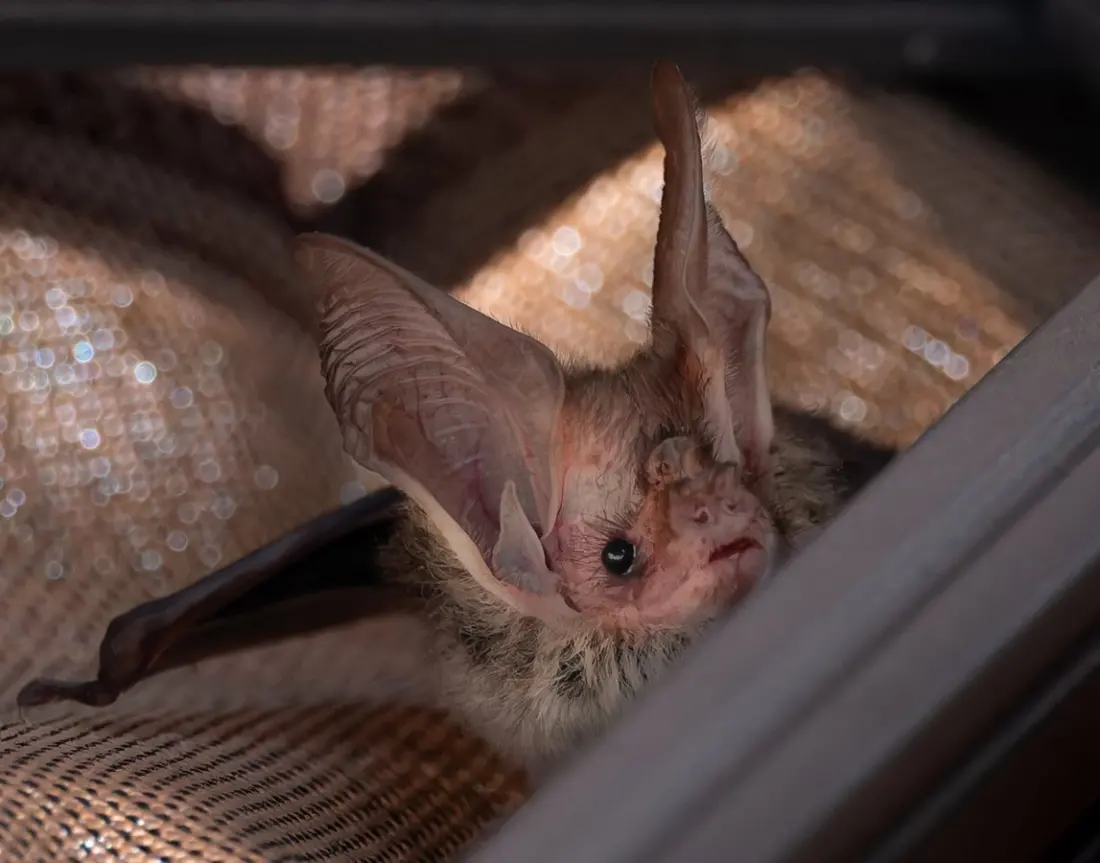
The results read like an odd share-house listing. Brushtail and ringtail possums sleep in roofs, wombats burrow under floorboards, microbats squeeze into wall cavities, and wood ducks have been found nesting on balconies. Mammals were the most common houseguests, mostly using homes as sleeping quarters, while birds showed the greatest variety — 22 species in total — and favoured buildings for nesting.
Lead researcher Bethany Kiss, an architect and PhD candidate, found a neat logic to it: animals pick building spots that mimic their natural habitat. Tree-dwelling species head for elevated cavities like roof spaces, while ground-dwellers seek out the burrow-like gaps beneath houses. The reason is simple — as cities expand, the tree hollows and sheltered nooks native animals once relied on are disappearing, so homes are filling the gap largely by accident. Notably, newer houses with their sealed, gap-free construction offer far less refuge than older homes.
The study, published in the journal People and Nature, argues that if animals are moving in anyway, we should design for it deliberately. Ideas include possum boxes, swallow nesting shelves and other built-in features that let people and wildlife share a roof without conflict. There's precedent: in January Scotland became the first UK country to require new homes to include 'swift bricks' — purpose-built nesting cavities for swifts, whose numbers have dropped 66 per cent in 25 years.
For travellers, this is a reminder that some of Australia's best wildlife encounters don't require a trip to a national park. City gardens and suburban streets across Melbourne and regional Victoria offer chances to spot ringtail possums at dusk, hear microbats flitting past streetlights, or watch rainbow lorikeets argue over a balcony. Professor Sarah Bekessy of the Biodiversity Council points out that suburbs and cities are critical habitat for many species — and that everyday contact with wildlife boosts our mental wellbeing and connection to nature. A possum peering down from your rental's roofline might be a nuisance to the landlord, but it's also a genuine slice of Australian fauna most international visitors never see up close.
Travellers can do their bit too: keep a respectful distance from nesting birds, never feed wild animals, and if you're staying somewhere with resident wildlife, appreciate it rather than evict it. The bigger lesson from the research is that biodiversity isn't just a remote-bushland affair — it lives alongside us, one roof cavity at a time.
Story via Australian Geographic.