Iranian carriers were supposed to stop flying internationally as of Wednesday, September 23, 2026, under a new wave of US sanctions. That's the claim from Treasury Secretary Scott Bessent, who says any country that fuels an Iranian plane, handles its landing, or sells tickets on its behalf will be cut out of the US dollar banking system entirely. It's part of a broader pressure campaign the administration has dubbed Operation Economic Fury, which has escalated since the war began earlier in the year.
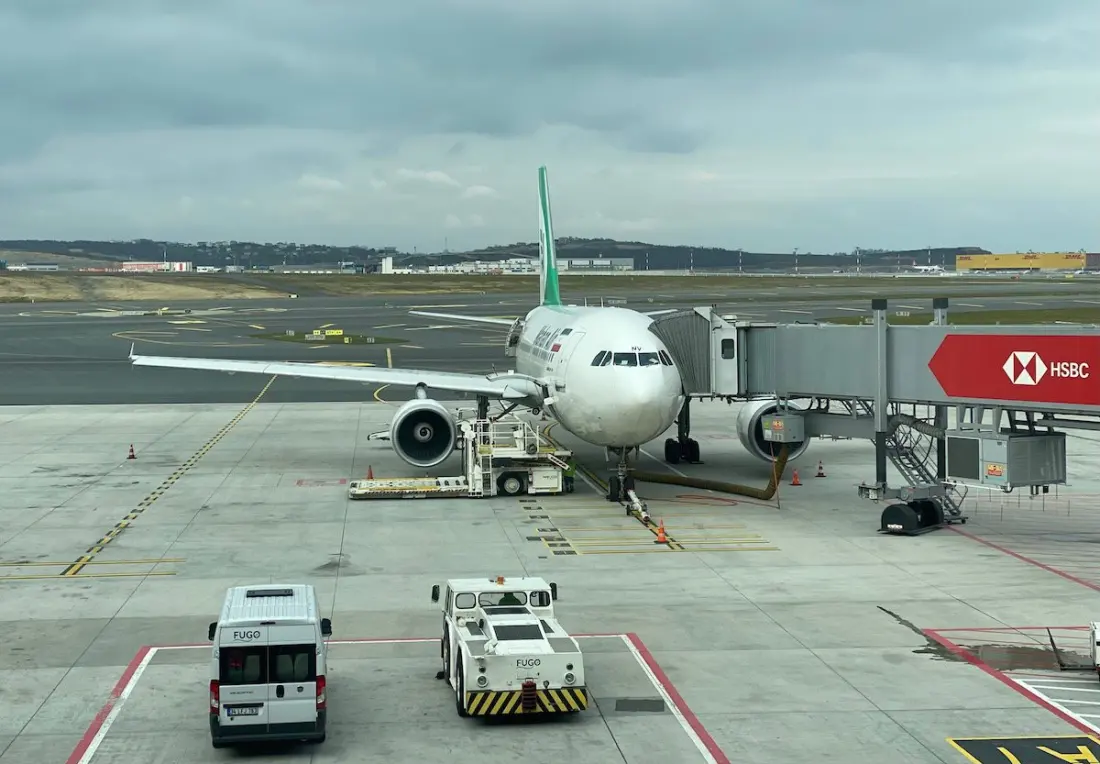
The mechanics are blunt: Iran Air and Mahan Air don't need American permission to fly, but they do need airports willing to service them — and most governments won't risk losing access to dollar clearing to provide it. Iranian carriers had previously kept flying to many countries that don't sanction Iran directly, so this is a significant widening of the squeeze.
In practice, the picture is mixed. Flights to Baghdad, Baku, Doha, Muscat and Tbilisi have been cancelled. But Mahan Air still dispatched an Airbus A340 from Tehran to Guangzhou, China — a flight notably absent from the Guangzhou airport website, suggesting some quiet coordination with Chinese authorities. A Boeing 777 also flew from Tehran to Phuket, Thailand, landing the same morning. Whether those aircraft get refuelled for the trip home is the immediate question, and it hints at how the embargo will actually hold.
China ignoring US sanctions pressure would surprise nobody. Thailand's willingness to accept the flight is the more telling data point — if mid-sized economies start picking and choosing, enforcement gets murky fast.
For travellers, the takeaway is simple: avoid booking on Iranian carriers or relying on them for regional connections for now. Routes into and out of Tehran that once served diaspora travellers and adventurous visitors are being cancelled with little notice, and tickets sold through third parties may have no protection if a flight doesn't operate. Anyone with onward plans through hubs like Baku, Doha or Tbilisi should double-check that their connection doesn't depend on an Iranian airline leg. Expect the situation to stay fluid as countries decide whether the banking threat sticks.