If you're heading to the Croatian capital this week, here's something to factor into your plans: Zagreb is dealing with a citywide air-quality problem that locals can literally smell.
Residents across several neighbourhoods — including Ravnice, Pešća, Travno, Dugave, Trešnjevka and Maksimir — reported a strong unpleasant odour on Tuesday and Wednesday, describing it as somewhere between manure and something burning. The smell was noticeable outdoors and, in some cases, indoors too. It got people talking on social media, with some saying it felt like walking past a farm.
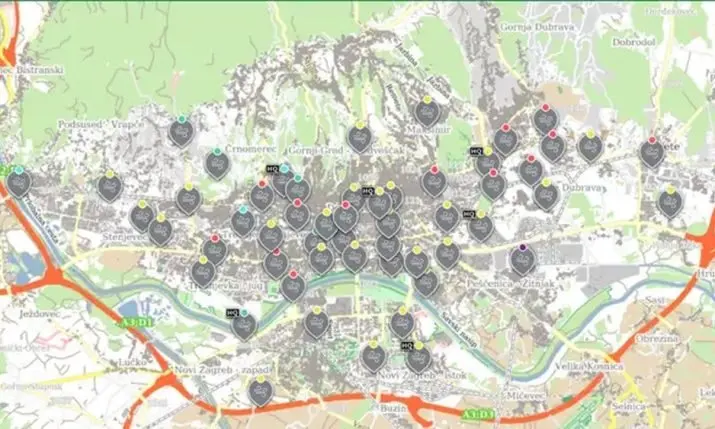
The city's monitoring stations back up what noses are detecting. Readings show elevated concentrations of PM2.5 and PM10 particles across Zagreb. PM2.5 is the one to take seriously — these fine particles are small enough to reach deep into the lungs. Elevated levels typically trace back to combustion sources: traffic, heating, or unfavourable weather that traps pollution in place.
So what's actually going on? There's no confirmed answer yet. The City of Zagreb says it has no information about problems on either day, and the source of the smell hasn't been identified. Dr Gordana Pehnec from the Institute for Medical Research and Occupational Health offered the most plausible explanation so far: a combination of weather conditions and the start of the heating season, when households fire up stoves and boilers that add particulates to the air. The Teaching Institute of Public Health Dr Andrija Štampar has been asked whether any guidance for residents is warranted, but hadn't responded at the time of the original report.
For travellers, the practical takeaway is fairly simple. If you're in Zagreb in the coming days, especially with asthma, a respiratory condition, or young kids, it's worth checking live air-quality data (apps like IQAir or Windy show PM2.5 readings city by city) and maybe skipping long outdoor activities on days when readings spike. Early winter — heating season plus still, cold air — is typically when Central European cities see their worst air of the year, so this isn't a Zagreb-only phenomenon. If your itinerary is flexible, an extra museum day or café stop beats a hilltop hike when the air is thick.
None of this should put anyone off the city. Zagreb remains one of Europe's most pleasant capitals — the upper town, the Dolac market and the café culture are all best enjoyed at street level, which is exactly why air quality matters when you're there. The city has a solid monitoring network, so the data is public and easy to check in real time, and further information from the city and health authorities is expected. If a specific source is identified or health advice is issued, that should be published in the coming days.
The bigger picture: this kind of winter smog episode is a reminder that air quality is a variable, seasonal factor in European city breaks, alongside weather and daylight. Worth a glance at the readings before you lock in those outdoor plans.
Croatia Week