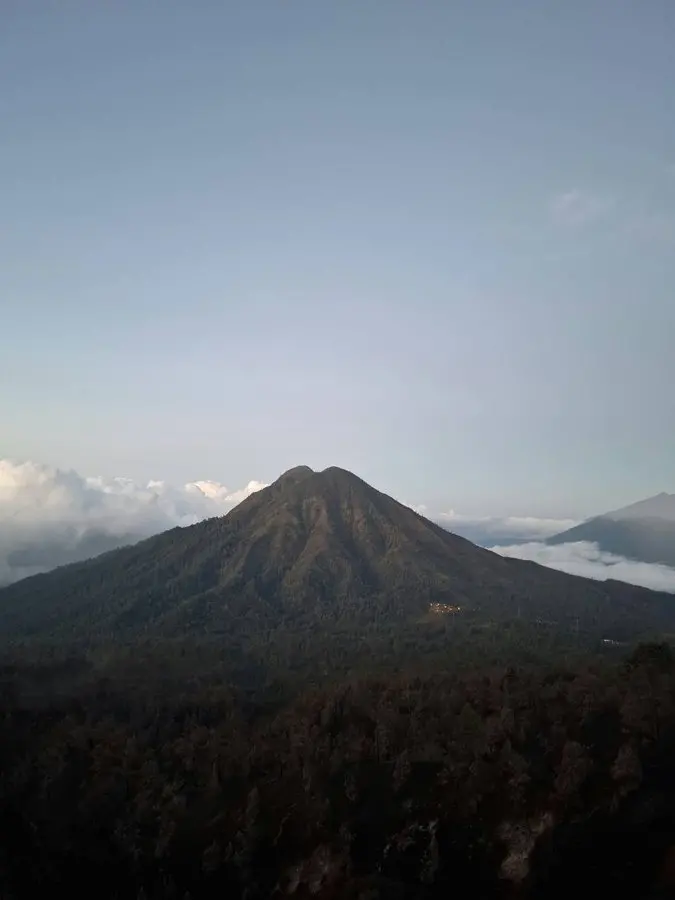
Indonesia's Mount Ijen, or Kawah Ijen, is an active volcano in East Java with an unusual party trick: electric-blue flames that flicker up from its crater in the dark. The phenomenon is caused by sulphur-rich gases igniting on contact with oxygen — not molten rock, despite the "blue lava" nickname. It only happens in a handful of places worldwide, with partial equivalents in Iceland and Ethiopia's Dallol, which is why the crater draws crowds long before sunrise.
The setting alone justifies the trip. Ijen's crater holds one of the most acidic lakes on Earth, a striking turquoise pool ringed by sulphur deposits, and the slopes are still worked by traditional sulphur miners. Whether you can descend towards the flames depends on volcanic activity and safety rules on the day, so flexibility helps.
Timing is everything. The gate at Paltuding, the main trailhead, typically opens between midnight and 2 am — and recent visitors report queues forming well before opening. Getting there early matters if you want a clear view before tour groups arrive. The hike itself takes roughly five to eight hours round trip and is genuinely tough: steep, rocky and often wet. Pack grippy hiking shoes, a headlamp, warm layers, gloves, rain gear and plenty of water. Respiratory protection is worth taking seriously, as volcanic gases can be hazardous — follow your guide's instructions.
If the climb sounds like too much, there's a (pricey) shortcut: local porters will carry you up in a modified trolley for around IDR 3,000,000, roughly US$180 return.
Most travellers base themselves in Banyuwangi, about an hour from the mountain, where budget-friendly lodges and countryside hotels commonly arrange night transfers. Getting there takes some planning. Banyuwangi International Airport (BWX) has limited connections, so many people arrive overland or via Bali's Ketapang–Gilimanuk ferry, a 45–60 minute crossing costing about IDR 10,600 for foot passengers and running around the clock. From Gilimanuk, buses continue to Denpasar and Kuta — brace for slow traffic.
Train is the classic route. Yogyakarta to Banyuwangi takes 9–13 hours with fares from about IDR 94,000 (US$6); the source's writers tried the full night train and advise against it. Their tip: break the journey in Surabaya instead, splitting the trip into two more manageable legs of four to seven hours each, with fares starting from just a few dollars.
Entry requires a permit arranged through a tour or agency, plus a foreign visitor fee of IDR 150,000 (about US$9), and you may need a health certificate — check current park requirements via AyoKeTamanNasional before you go. The drier months from April to October offer the best conditions, with May to September often ideal; November to March brings slippery trails.
Who is this for? Anyone with moderate fitness and a taste for surreal natural spectacles — photographers, volcano buffs and travellers pairing Java with Bali will find it one of the island's most memorable nights out. Just don't expect solitude: Ijen's secret is well and truly out.