Kyrgyzstan rarely tops anyone's first travel shortlist, and that's exactly why it rewards the curious. A writer at Journal of Nomads arrived in 2017 as an unplanned detour during a hitchhiking trip from Europe to Asia, expecting five days. She stayed a year. Her case for the country is built on years of travel there, and it's a convincing one.
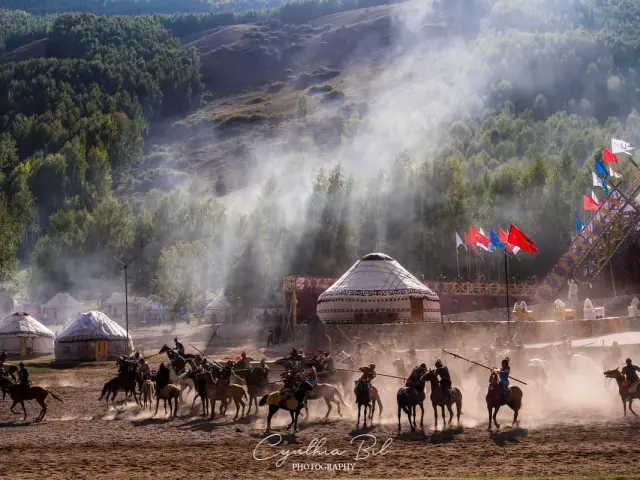
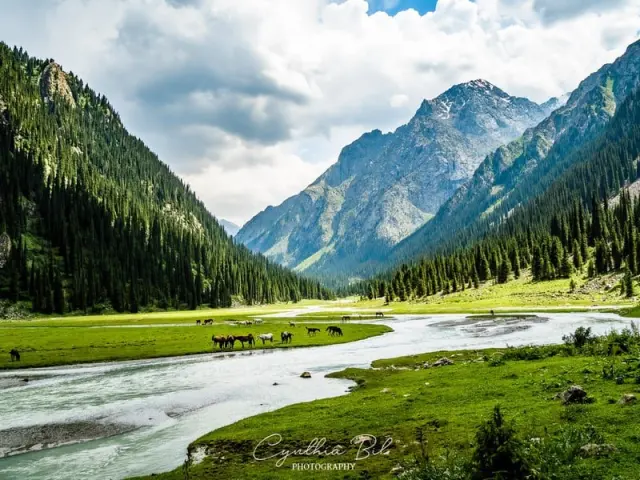
The headline fact: roughly 93% of Kyrgyzstan is mountains. But the real draw is that nomadic culture here isn't a show for visitors — it's everyday life. Families still move their herds to high summer pastures (jailoos) and live in yurts for months. Horses are ordinary transport, and traffic jams are more likely to involve a few hundred sheep than cars.
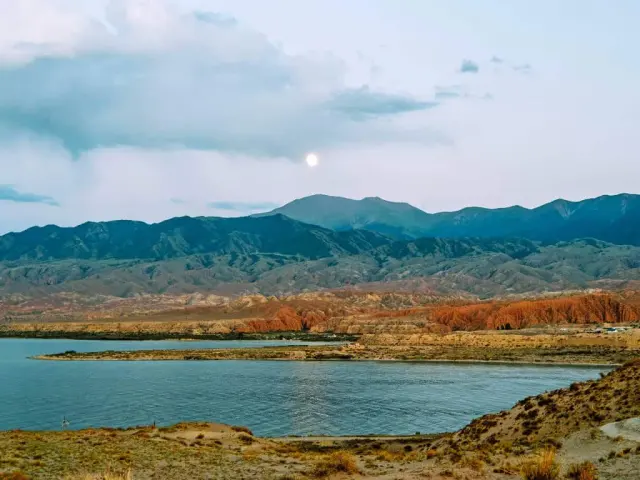
The landscapes deliver in spades. Song Kul, a vast alpine lake at 3,000 metres, offers slow days among grazing horses and seriously dark night skies. Ala Kul, a turquoise lake high in the Tian Shan, demands a steep rocky trek before revealing water so blue it looks unreal. The Alay Mountains, stretching toward Tajikistan, trade lake views for raw ridgelines, yaks and near-total silence. For something gentler, Sary Chelek — a UNESCO Biosphere Reserve — pairs deep-blue lakes with forests and orchards that glow gold in the right light.
Adventure is the country's native language. The options read like an expedition menu: multi-day treks through empty valleys, horse treks with local guides, high-altitude camping, rafting through gorges, off-road passes, and ski touring in winter. Crucially, none of it feels packaged — you're following old nomadic paths, not a queue.
Then there's the hospitality, which is the detail that turns most visitors into evangelists. The author's first night is typical: arriving from Kazakhstan with no local money and nowhere to sleep, she asked a villager where to pitch a tent. He invited her home instead — dinner cooked, neighbours summoned, family-style welcome. That openness runs deep in nomadic tradition, where a guest is treated as a blessing.
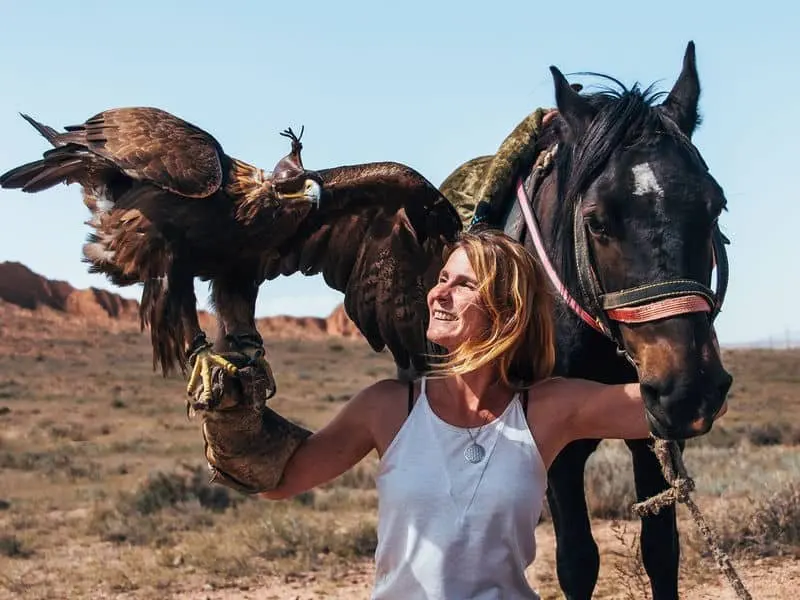
Two more experiences set the country apart. Eagle hunting — berkutchi handlers raising golden eagles from chicks and training them for years before releasing them back to the wild — is a thousand-year-old tradition passed down between generations, not a tourist re-enactment. And sleeping in a yurt itself is worth the trip: the felt, lattice and design are centuries-old engineering built to survive harsh mountain climates while staying portable.
Who is this for? Travellers who want big nature and genuine cultural exchange without crowds or polished infrastructure. If your idea of a good holiday involves earning a view, drinking tea with strangers and being mildly inconvenienced by livestock, Kyrgyzstan will suit you perfectly. If you need reliable luxury, keep it on the list for later.
Original source: Journal of Nomads