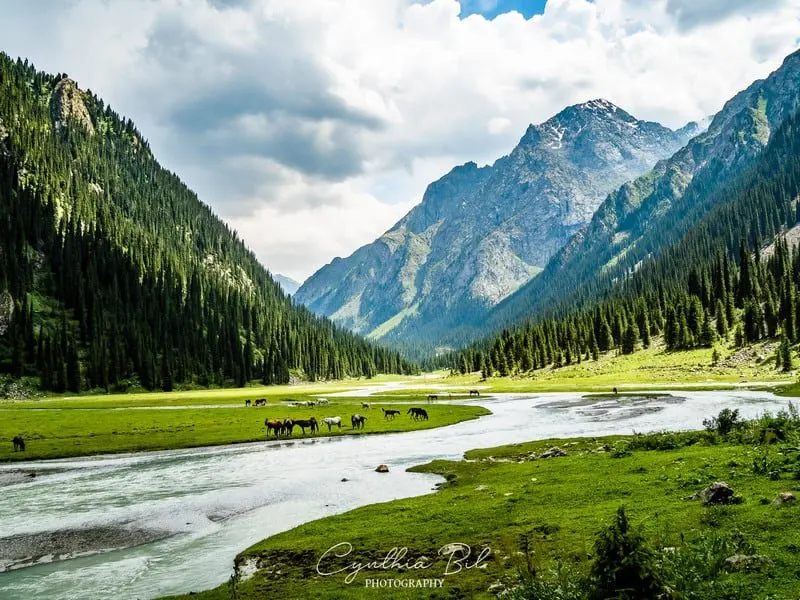
Kyrgyzstan has a knack for humbling over-ambitious trip planners. More than 90% of the country is mountain, the roads are slow, and Google Maps driving times are famously optimistic. A detailed new planning guide from long-time Central Asia traveller Journal of Nomads breaks down realistic itineraries for 7, 10, 14 and 21 days — and the honest answer to "how long do I need?" is: longer than you think.
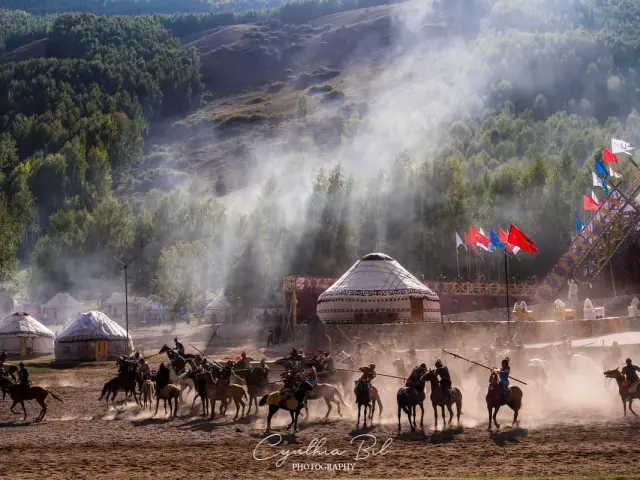
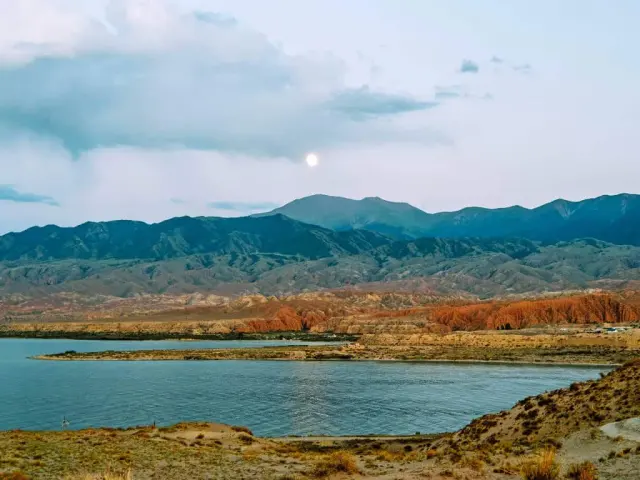
The framework is simple. Seven days gives you a first taste if you stick to one region, typically Lake Issyk Kul and the trekking hub of Karakol. Ten to 14 days is the sweet spot for a first trip, letting you combine high mountains with nomadic culture without turning every day into a transfer day. Three weeks opens up both the north and south of the country, including remote spots like Kel Suu, the Alay Mountains and alpine lake Son Kul.
Timing matters as much as duration. June to September is prime season: mountain passes open, nomadic families move onto the high pastures, and hiking and horse trekking are at their best. July and August are the busiest months, though Kyrgyzstan stays quiet by global mountain-destination standards. Spring and autumn suit photographers and slow travellers — golden hillsides, fewer people — but some high passes may still be shut. Winter is best left to experienced travellers with local support.
Getting around is half the adventure. Marshrutkas (shared minibuses) are cheap and frequent on main routes but slow and useless for remote areas. Shared taxis are faster; private drivers cost more but let you stop, adapt to conditions, and actually reach the high-altitude lakes. Self-driving is possible — a 4WD is strongly recommended beyond main roads — but mountain driving experience and patience with poor signage are essential. Many travellers now mix it up: independent between cities, then a small-group tour or local driver for places like Son Kul, Ala Kul or Kel Suu.
Practicalities worth knowing: passport holders from the UK, EU, US, Canada, Australia and New Zealand get a free 30-day tourist entry within a 60-day window. Cash rules outside Bishkek and Osh, mobile signal is patchy in the mountains, English is scarce in rural areas, and accommodation runs from simple homestays to yurt camps. Build buffer days into any route — the best moments here tend to happen when plans slip.
This is a story for hikers, road-trippers and anyone tired of over-curated travel. Kyrgyzstan isn't about monuments; it's about landscapes, homestays and hospitality that unfolds over shared meals. If that sounds appealing, start with 10 days and don't overpack the schedule.