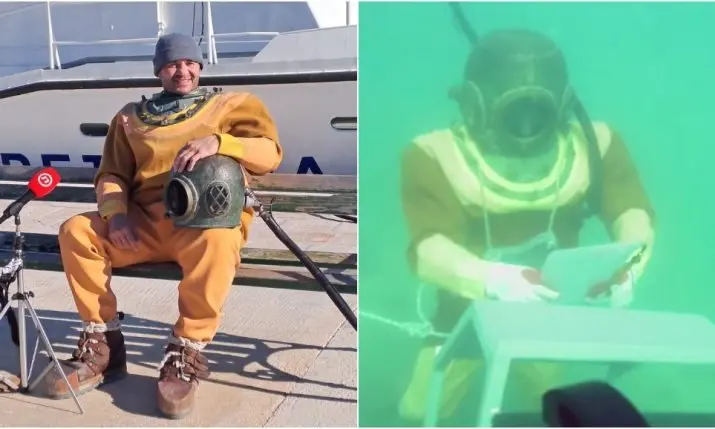
Off the small Croatian island of Krapanj, marine conservationist Kristijan Curavić walked the seabed in a traditional heavy diving suit weighing around 90kg, breathing air pumped from the surface through a copper helmet, and delivered an address to world leaders from below the waterline. The stunt, staged on 17 October, doubled as a Guinness World Record attempt for active underwater plastic removal using historic diving equipment — though any record remains pending official verification.
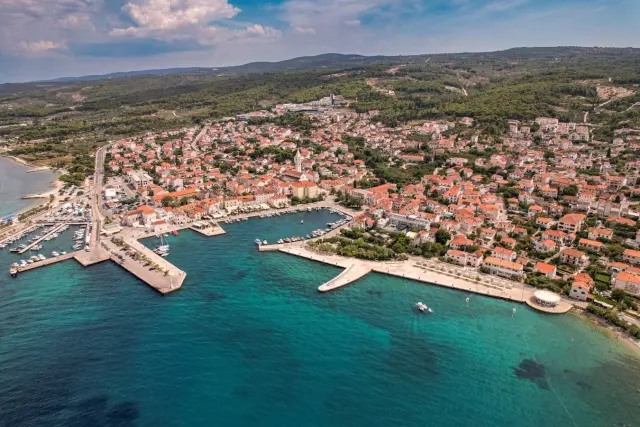
Krapanj was a fitting stage. The island, just off Šibenik on the Dalmatian coast, is famous for centuries of sponge diving, and Curavić's old-school gear paid direct tribute to that heritage. His group, the Ocean Alliance Conservation Member (OACM), organised the event with the World Tourism Network as the launch of a planned "White Flag" series: 20 clean-up dives and record attempts across several continents between 2026 and 2030, each pairing waste removal with attention-grabbing spectacle.
The message itself pushed for measurable results rather than pledges. Curavić called for backing of a proposed Ocean Heritage Act Sea Treaty, which OACM intends to present in Thessaloniki in 2027 and says is already in discussion with 60 governments. He appealed directly to the UN Secretary-General, business leaders and even Pope Leo XIV, invoking Pope Francis's environmental encyclical Laudato si'. His pitch was simple: conservation efforts should be judged by verifiable outcomes — tonnes of plastic actually lifted off the seabed. "Here, only actions count, and only they can bring change," he said.
There's a personal story behind it, too. Curavić survived a near-drowning at the age of four, went on to work as a professional diver and instructor, and says recovering dead sea turtles from the seabed hardened his resolve. He plans to keep delivering underwater addresses until 2030, reporting publicly on progress — and says he'll otherwise be back where he started, pulling plastic from the waters around his own island.
For travellers, Krapanj is worth a detour if you're heading to Dalmatia. It's a short boat hop from Šibenik, car-free, and its sponge workshops and diving tradition make it a genuine slice of maritime culture rather than a beach strip. The island may also twin with Kalymnos in Greece, another historic sponge-diving centre, to keep those shared traditions alive. If the White Flag clean-ups take off, visiting divers and even casual snorkellers may find ways to join future events — a holiday with a few kilos of ocean plastic to show for it.
The record dive's duration and the amount of waste collected will be announced once organisers confirm the figures.